
As an Amazon Associate I earn from qualifying purchases. Buying through our links may earn us a commission at no extra cost to you. Affiliate disclosure.
For a regular small-portion routine, we would start with Avid Armor’s 6 × 10-inch, 250-count chamber pouches. Choose a different format when your food needs a wider mouth, a longer bag or a mixed-size pack. Move to a 1,000-count case only after the size has proved useful in your own machine.
The best chamber vacuum sealer bags are the ones you can load correctly, seal with compatible settings and reorder without guessing which variant you bought. Brand, thickness and pack count all matter, but none compensates for the wrong opening width or an unsuitable filled shape. This guide compares six specific packs, including the differences that are easy to miss on shared retailer listings. It also explains how to judge usable value, so a cheap case does not become a cupboard full of bags you avoid using.
Compare Our Picks
| Product | Pack / size | Best use | Pricing |
|---|---|---|---|
| Avid Armor 6 × 10 | 250 precut pouches | Repeat smaller portions | View on Amazon |
| Avid Armor 11 × 10 | 250 precut pouches | Wider mouth for suitable compact chambers | View on Amazon |
| Avid Armor USV32 assortment | 300: 100 each of three sizes | 6 × 10, 8 × 12 and 10 × 13 inches | View on Amazon |
| Anova Chamber pouches | 100; 280 × 250 mm | Starting pack for Anova chamber owners | View on Amazon |
| LEM quart chamber bags, SKU 1259 | 250; 8 × 10 inches | Repeat middle-size portions | View on Amazon |
| VacMaster 30721 | 1,000; 6 × 10 inches; 3 mil | Case purchase after proving the size | View on Amazon |
Identify the machine type before comparing packs
These are smooth chamber-pouch options. Conventional external suction sealers generally need textured material to provide an air path during evacuation. Choosing a familiar brand or a bag that is narrow enough for the bar does not establish that it will work with the equipment.
Start with the exact machine’s compatible construction, then check the mouth, filled length and approved application. A pouch suitable for freezer packaging also needs a separate time-and-temperature check before heated use. Our smooth versus embossed bag guide explains the equipment distinction before you commit to a pack.
1. Avid Armor 6 × 10 — Best Starting Pack for Small Portions

This 250-count pack is a focused choice when a narrow pouch already suits most of the food you want to package. The bags are 6 × 10 inches in a smooth three-mil chamber construction. A single useful size is often a more straightforward first purchase than an assortment containing several formats you have not tried.
The important comparison is with the filled portion. Thickness consumes some of the pouch’s flat width as the film wraps around the food. A six-inch bag is not a six-inch-wide rigid opening for every cut, and the remaining length still needs to provide a clean neck. Choose it for smaller portions that enter and lie comfortably, rather than assigning it a fixed food weight.
We would buy this pack when small packages dominate the weekly routine and a case would be premature. It is also a sensible size to compare with VacMaster’s much larger 6 × 10-inch case later. The buying decision between those two starts with quantity and delivered cost for a proven size, not an unsupported assumption that one brand must produce a stronger seam.
Why It’s Our Top Pick
The 6 × 10-inch, 250-count pack makes a manageable commitment for repeat smaller portions. It avoids paying for assortment sizes you may leave unused and requires less initial quantity than a 1,000-count case. We would choose it as a starting pack when this size fits the food correctly. For broader food or an established high-volume routine, one of the other formats below provides a better match; the top pick is a starting point, not a universal bag size.
Key Features
- Six-by-ten-inch precut chamber pouches.
- A 250-pouch single-size pack.
- Smooth three-mil construction.
Pros
- A clear initial choice for a routine dominated by smaller portions.
- No assortment sizes to leave unused.
- A lower quantity commitment than a full case.
Cons
- Narrow for some bulky or broad food.
- Flat dimensions do not establish a standard portion weight.
- Not a default substitute for textured external-suction material.
2. Avid Armor 11 × 10 — Best Wide-Opening Compact Format
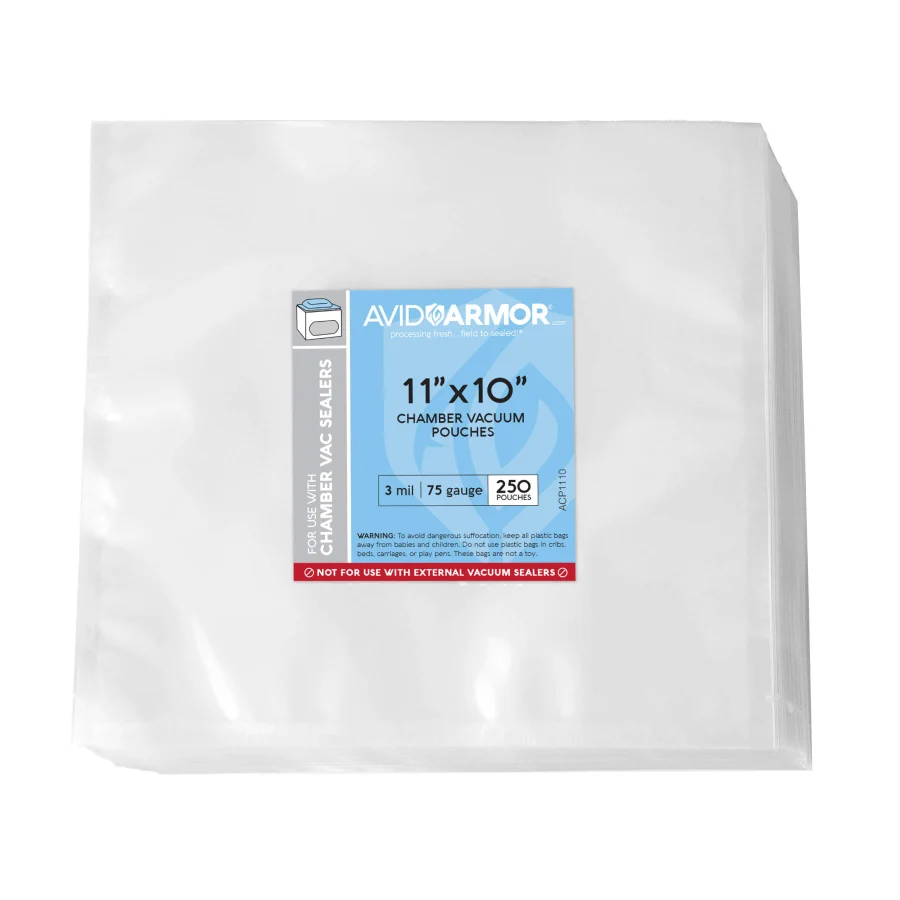
The 11 × 10-inch pack serves a different shape from the smaller option: a broader opening without moving to a long pouch. It contains 250 smooth three-mil bags and belongs in a comparison for an appropriate chamber such as the USV20, where the supported opening and loaded length match.
Opening orientation is the buying detail that matters most. An 11 × 10 description should not be treated as interchangeable with 10 × 11 unless the open edge and usable dimensions are confirmed. Rotating a product photograph does not rotate the bag’s opening. The mouth must fit the sealing position, while the remainder of the loaded pouch must lie inside the chamber.
We would choose this format for food that needs more width but can stay within the shorter length. It is less attractive when the portion is narrow enough for a smaller bag, because the extra film may add cost and bulk without helping the package. Use the USV20 pouch-fit guide if that is your machine, then compare a filled sample rather than buying the widest supported bag automatically.
Key Features
- Eleven-by-ten-inch smooth chamber pouches.
- A 250-count pack in one size.
- Three-mil material with a wide-opening format.
Pros
- Useful for broader portions in a compatible shorter chamber.
- A repeat size without a mixed-pack commitment.
- Offers a different opening geometry from the 6 × 10 format.
Cons
- Too wide for machines limited to a smaller pouch mouth.
- Opening orientation needs checking carefully.
- Extra width may be unnecessary for narrow food.
3. Avid Armor USV32 Assortment — Best for Three Regular Portion Sizes
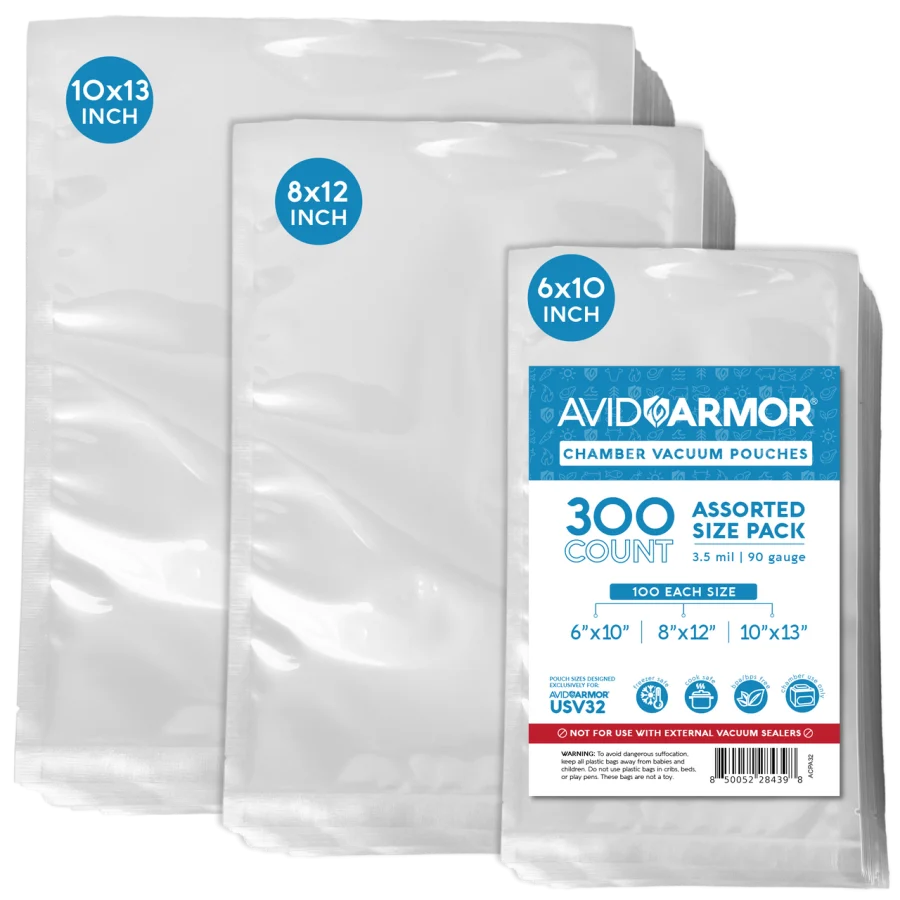
The USV32 assortment contains 300 pouches: 100 each of 6 × 10, 8 × 12 and 10 × 13 inches. The material is listed at 3.5 mil. Choose it when the household genuinely uses small, medium and longer packages and the machine supports each format.
The pack’s value depends on its distribution. It is not 300 of your preferred size, and it is not the separate assortment intended around the USV20’s shorter pouch layout. If two sizes cannot fit your chamber or do not suit the food you package, the unused bags should not be counted as a saving.
We would favor this mix while establishing a multi-size routine or when all three formats are already used regularly. Once one size dominates, separate packs can make reordering more efficient. Keep a simple tally through a normal month: which size runs out first, which accumulates, and whether a different portion could use the smaller suitable bag. That record is more useful than treating the word “assorted” as an automatic value feature. Confirm the current selected offer and its exact mix before ordering.
Key Features
- Three hundred total precut chamber pouches.
- One hundred each of 6 × 10, 8 × 12 and 10 × 13 inches.
- Three-and-a-half-mil material.
Pros
- Covers three distinct package sizes in one purchase.
- Useful when smaller and longer portions alternate regularly.
- Lets a compatible household compare which sizes become staples.
Cons
- Only 100 bags of any one size.
- Longer formats exclude some compact chambers.
- Poor value when much of the mix remains unused.
4. Anova Chamber Pouches — Best Starting Box for Anova Owners
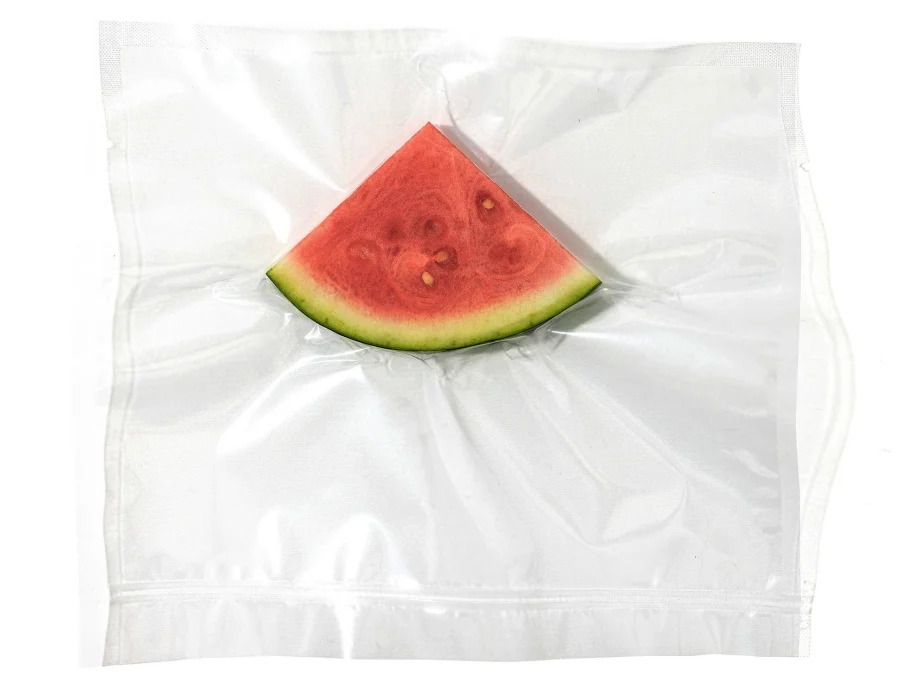
Anova’s chamber-pouch box contains 100 bags measuring 280 × 250 mm, approximately 11 × 9.8 inches. It is a straightforward starting point for an owner of the Precision Chamber machine who wants a clearly identified chamber product before comparing larger third-party packs.
The smaller quantity can be useful while learning which portions work well. You can establish how a filled meal lies in the chamber, how much clean neck remains and whether a second size would be more economical for small food. Buying fewer bags initially may have a higher unit cost, but that can be preferable to committing to a much larger quantity before the format is useful.
Keep these pouches separate from Anova’s external-sealer rolls, external bags and zipper products. Similar branding does not make them the same construction or size. We would use this box to establish a familiar chamber-packaging routine, then compare suitable alternatives by actual dimensions and delivered cost. Brand matching makes the starting choice clearer; it does not remove the need to check cooking conditions or justify using an oversized bag for every small portion.
Key Features
- A 100-pouch chamber box.
- Dimensions of 280 × 250 mm, approximately 11 × 9.8 inches.
- Intended for chamber-style sealing rather than external edge sealing.
Pros
- A clear starting product within the Anova chamber range.
- A smaller initial commitment than the larger packs here.
- Useful while establishing normal filled portions and a repeat routine.
Cons
- Fewer bags before the next reorder.
- Small packages may use more film than necessary.
- Other Anova bag types should not be substituted by name alone.
5. LEM MaxVac Pro Quart Bags — Best Middle-Size Single Pack
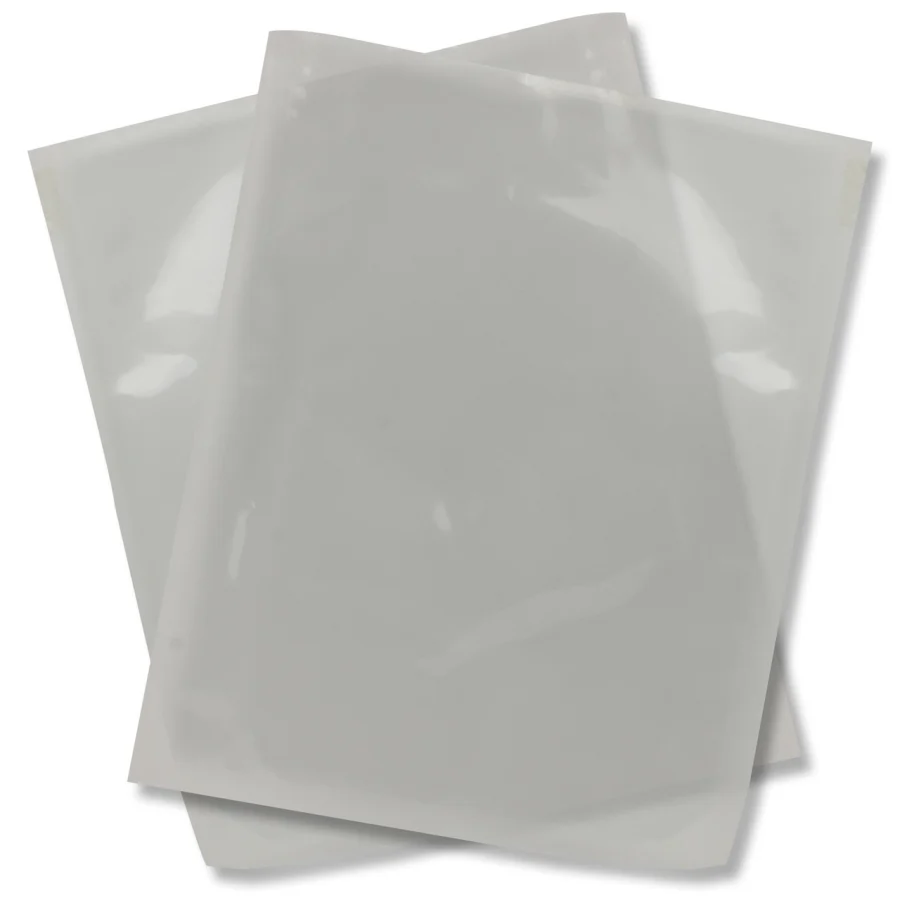
LEM’s quart variant, SKU 1259, provides 250 chamber bags in an 8 × 10-inch format. That is a useful middle-size choice when a narrow small pouch is awkward but a wider or longer format adds unnecessary material. Select by the loaded food rather than expecting the word “quart” to guarantee a particular safe fill amount.
The shared product family also includes pint and gallon variants. Confirm eight by ten inches and the selected count on the order, especially when a retailer remembers a previous size selection. A photo of one family pack does not establish which variant is in the cart.
We would choose this pack for a repeat portion that fits the moderate width and length efficiently. LEM lists a plastic-and-nylon material at approximately 3.14 mil, but that decimal is not evidence of a meaningful strength advantage over every nominal three-mil alternative. Fit, the complete material specification and the intended application are more useful comparisons. Once the correct pack works for the routine, keep the SKU and dimensions in a reorder note so a future substitution does not pass unnoticed.
Key Features
- Quart variant, SKU 1259.
- Eight-by-ten-inch chamber bags.
- Two hundred and fifty pouches per box.
Pros
- A middle-size alternative between the narrow and wide formats above.
- A single-size pack for a repeat portion shape.
- Exact SKU makes a useful reference for future orders.
Cons
- Shared listings make size selection easy to overlook.
- “Quart” is not a universal filled-capacity guarantee.
- Nominal thickness does not establish comparative puncture performance.
6. VacMaster 30721 6 × 10 — Best Case for an Established Small-Portion Routine

VacMaster 30721 is the six-by-ten-inch, three-mil chamber pouch in a 1,000-count case. Its role in this guide is quantity: a full case becomes interesting once this small format is already used consistently and storage space is available for the order.
Compare it directly with an equivalent smaller pack using delivered cost and the quantity you expect to use. A lower price per bag can justify the case when the portion, machine and material are established. It is a weaker first purchase when you are still discovering the right size or only package occasionally.
The linked Amazon option is 30721 in the 6 × 10-inch format. VacMaster’s 10 × 13-inch, three-mil, 1,000-count case is a different product, SKU 30725, available through its chamber-pouch catalog. Check the selected size and case count instead of assuming an older link or a familiar brand name guarantees the correct item. We would order a case only after a smaller quantity has demonstrated useful fit and a manageable storage routine.
Key Features
- SKU 30721, with a six-inch open end and ten-inch length.
- Three-mil chamber-pouch material.
- One thousand pouches per case.
Pros
- A case quantity for established, repeat small-portion use.
- An exact product code for comparing equivalent orders.
- Worth comparing once smaller packs are being reordered frequently.
Cons
- A large quantity commitment before the size has been tried.
- Requires room for clean, organized storage.
- Not the larger 10 × 13-inch SKU 30725.
Quick Tips
- Confirm which edge is open before comparing dimensions.
- Check a filled sample with enough clean neck to reach the bar.
- Match smooth or textured construction to the exact machine.
- Calculate cost using sizes you will actually use.
- Check the bag’s specific heating conditions before cooking or reheating in it.
Read Pouch Dimensions as a Loading Problem
The outside width of a flat bag is not the width of a rigid container it can hold. Side seams and the film wrapping around thick food consume part of the available space. A broad, thin portion and a narrow, thick one can behave very differently in the same nominal pouch size.
The opening edge must fit the permitted sealing position. The rest of the filled bag must fit the chamber, including the empty neck and clearance beneath the lid. Choosing a longer pouch does not help if its opening is too wide, and choosing a wider pouch does not remove a chamber-length limit.
For a new routine, compare a normal portion and the largest portion you regularly want. An occasional oversized food should not automatically determine every bag purchase. Keep two useful sizes if that avoids excess film for small food while preserving an appropriate option for larger packages. Our filled-pouch sizing guide provides the measurement framework.
Choose Thickness for the Load, Not the Marketing Label
A mil is one thousandth of an inch. Three-mil, three-and-a-half-mil and four-mil products describe nominal thickness, but the laminate and intended application also matter. A higher figure is not a complete ranking of seal behavior, barrier performance or puncture resistance across different products.
Sharp bones and abrasive food can justify examining tougher material or a compatible food-contact bone guard. Smooth food in an appropriate pouch may not benefit enough from extra thickness to justify paying more. Match the problem first: a puncture elsewhere in the film will not be fixed by adding another pass across an already sound seam.
Check whether the supplier’s figure describes the material in the way you expect, and keep the exact product details when reordering. Our three-mil versus four-mil comparison explains the tradeoff without assigning a universal failure-rate advantage to either thickness.
Check Cooking Suitability Separately
Food-contact suitability, freezer use and heated use are different questions. A “BPA-free” statement does not establish every temperature or cooking duration. Likewise, a broad sous vide label should not be stretched into permission for any boiling or microwave process.
Before buying for cooking, obtain the exact product’s permitted temperature, duration and method. Follow any venting or opening instructions for reheating. If those details do not support your planned use, choose another suitable product or transfer the food to an appropriate vessel instead of relying on a category-wide assumption.
This matters most when comparing similar-looking packs. Two clear chamber pouches can share nominal dimensions while having different use limits. The cooking-rating guide explains what to check before treating a storage pouch as cooking equipment.
Compare Delivered Cost per Useful Package
Divide delivered pack cost by usable pouch count, including only the sizes you expect to use. Include shipping and any quantity conditions. A low displayed unit figure can lose its advantage when the selected pack is different or delivery adds substantially to the order.
For a hypothetical comparison, a $30 pack of 250 bags costs 12 cents per bag. A $90 case of 1,000 costs nine cents per bag. Four smaller packs would cost $120 under those assumptions, so the case saves $30 only when all 1,000 bags are suitable and useful. These are calculation examples, not current offers for the products above.
Assortments need another step. If a 300-count pack contains 100 of each size and only one size is useful, its effective cost is the full pack price divided by 100, not 300. That does not make assortments poor value; it shows why the household’s portion mix belongs in the calculation.
For rolls, include offcuts and the material needed for a bottom seal. Also consider the time spent cutting and preparing each bag. Our rolls versus precut comparison helps make those formats comparable.
Choose a Pack Size Around Reordering and Storage
A smaller box is useful while establishing fit. A larger case makes sense when the same size is already a repeat purchase. Estimate how often you package food and how many pouches a normal session consumes, then choose a quantity that fits both the routine and the available clean storage space.
Keep unused bags protected according to the supplier’s instructions, away from contamination and damage. Retain the label or exact SKU, dimensions, count and any cooking limits. When opening a new order, compare those details before mixing it with an older pack.
If one size from an assortment runs out much faster than the others, reorder that size separately rather than accumulating the slower sizes indefinitely. The goal is a small, useful stock of compatible material, not the largest possible collection of pouch dimensions.
Identify a Packaging Problem Before Buying Different Bags
A loose package does not automatically mean the film was too thin. First identify where the problem occurred. Wrinkles or residue across the seam point toward loading and sealing-area checks. A hole near a sharp projection suggests a different material or protection problem. Failure to evacuate in an external suction machine can indicate the wrong bag construction altogether.
Use the machine’s approved settings for the selected material and inspect the entire pouch. Repeating a seal across contaminated film or switching immediately to the thickest available bag can leave the actual cause unresolved. Our symptom-based troubleshooting guide helps separate those cases.
Once the cause is clear, buy the change that addresses it: a more workable size, compatible construction, approved protection or a correctly rated material. That approach is more economical than accumulating packs that are different on the label but unsuitable for the same reason.
Questions Before Ordering Chamber Bags
Can another brand work in my chamber machine?
It can when the construction, dimensions, sealing requirements and intended use match the machine. Brand matching is a convenient starting point, not the only compatibility criterion. Confirm the open edge and loaded fit before ordering a different product in bulk, particularly when the new material differs in thickness or use rating.
Should I use one large bag for everything?
One format simplifies ordering but may consume unnecessary film and freezer space for small food. A second regularly used size can make the routine more efficient. Avoid buying numerous sizes without a purpose; start with the ordinary portion, then add another format when it solves a recurring packaging problem.
Does a gallon or quart label tell me how much soup to add?
No. The usable liquid portion depends on the exact chamber arrangement and fill instructions. A nominal capacity name does not replace those limits. Check how the pouch lies at the sealing position, leave the required empty neck and follow the machine’s liquid-loading rules.
Will thicker film stop every puncture?
No. Food shape, sharp projections, abrasion and handling affect the result. Choose appropriate material and approved protection for the load, then inspect the full package. A sound-looking seam cannot reveal every problem elsewhere in the bag, and a thickness number is not a promise about all food shapes.
Can smooth chamber bags replace FoodSaver-style rolls?
Not automatically. Conventional external suction machines generally require textured material for the air path. Some equipment has other supported arrangements, so follow the exact machine instructions. Do not buy a case of smooth pouches solely because the mouth is narrow enough for the external machine’s sealing bar.
What should I record after finding a useful pouch?
Keep the brand or supplier, exact product code, opening edge, dimensions, material rating and successful permitted settings. Add the normal portion it suits and the date the pack was purchased. That small record makes a reorder easier to check and helps distinguish a changed product from a changed loading routine.
Our Buying Recommendation
Start with Avid Armor 6 × 10 for a proven small portion, the 11 × 10 format for a compatible wider opening, or LEM’s quart pack for a useful middle size. Choose the USV32 assortment only when all three sizes serve the routine, and Anova’s box when a clearly identified starting pack suits its chamber owner. Move to VacMaster 30721 when six-by-ten-inch bags are already a repeat requirement. Choose the package first; let pack quantity follow the food you actually seal.
About the author
James
James helps home users choose chamber vacuum sealers, find compatible pouches and build a practical sealing routine. Our guides cover buying decisions, model comparisons, setup, maintenance and everyday ownership.